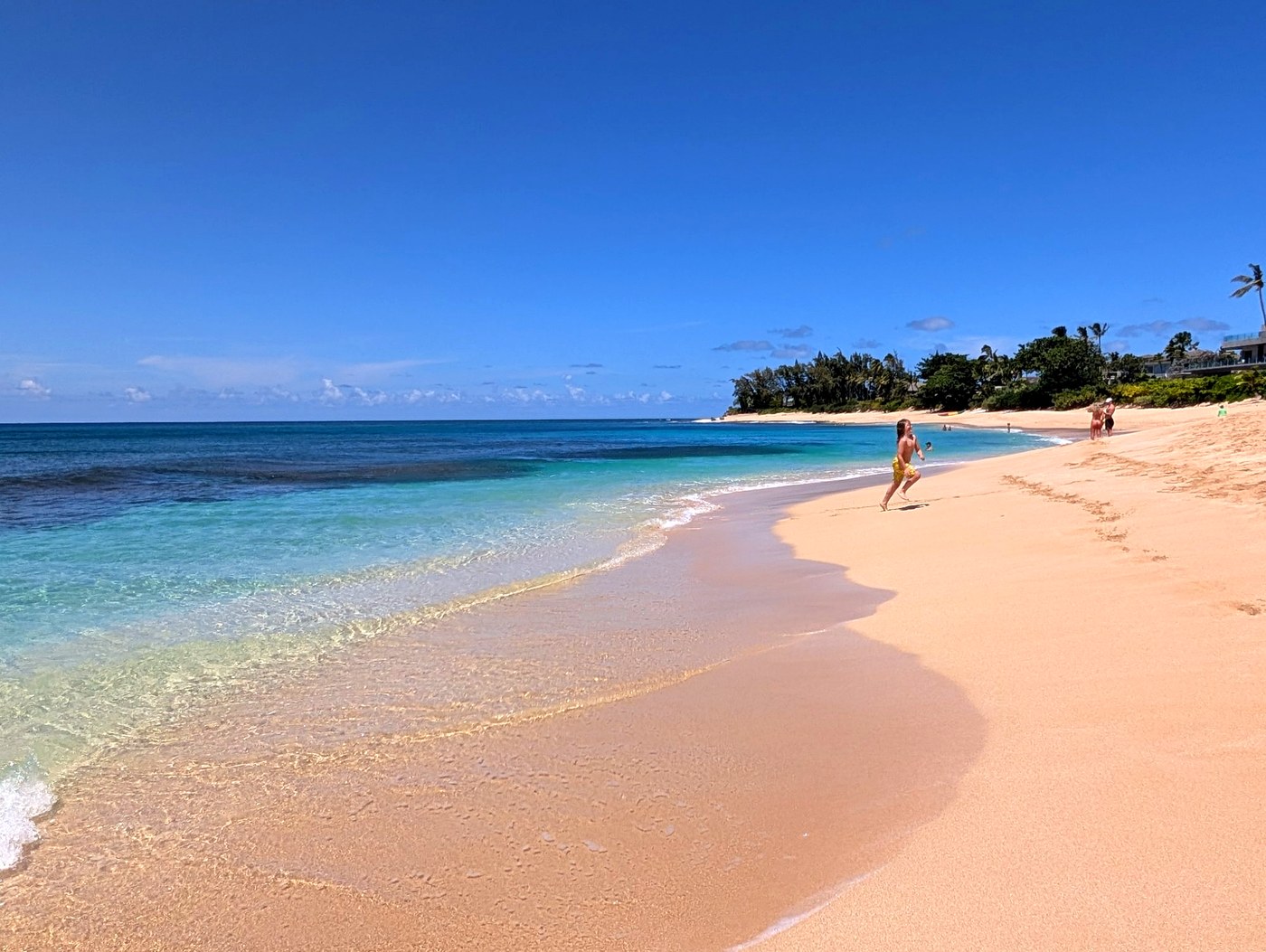
Welcome to Sunset Beach and Banzai Pipeline, where the Pacific Ocean becomes a stage for the world's greatest athletes and nature's most dramatic displays of power. This is Stop 8 on our Circle Island Tour, and it's one of the most legendary stretches of coastline on Earth. Whether you're watching 30-foot waves crash over a shallow reef in winter or swimming in glassy summer waters, this is where surfing dreams are made—and sometimes broken.
The Banzai Pipeline is the most photographed surf break on the planet. Its perfect, hollow barrels have captivated photographers, filmmakers, and surfers for decades. But there's so much more to discover here than just the waves. Read on to learn the history, science, and insider tips for getting the most out of your visit.
📍 Essential Visit Info
- Cost: Free
- Parking: Ehukai Beach Park lot
- Time Needed: 20-30 minutes
- Best Season: Winter (Nov-Mar) for big waves; Summer for swimming
- Amenities: Restrooms, showers, picnic tables
- Reservation: None needed
The Legend of Banzai Pipeline: A Brief History
The Banzai Pipeline didn't become a world-famous break until the 1960s. Local surfers had ridden these waves long before, but it was the arrival of big wave pioneers like Phil Edwards that truly put Pipeline on the map. These fearless watermen looked at hollow, dangerous barrels breaking just 100 yards from shore and saw an opportunity to push surfing into new territory.
The name "Pipeline" itself comes from an actual pipeline that used to run underground near the break. But surfers soon realized the waves created their own tunnel—the hallmark of the perfect barreling tube that makes Pipeline so desirable. The tube became synonymous with technical perfection in surfing, and riding deep inside one of these barrels remains the holy grail of the sport.
Understanding the Wave: The Three Sections
What makes Pipeline so unique is that it's not just one wave—it's actually three distinct waves breaking in rapid succession over the same shallow reef. Each has its own character, and understanding the difference is key to appreciating why Pipeline is so revered.
All three sections break over a reef only 3-5 feet deep. This shallow water is what creates the hollow, barreling tubes that Pipeline is famous for—but it's also what makes the break dangerous. When surfers fall, they don't just fall into water; they're falling toward sharp coral and lava rock.
Sunset Beach: The Safer, Sunnier Side
While Pipeline gets most of the attention, Sunset Beach itself is a different beast entirely. Just a few hundred yards to the east, Sunset Beach is a more forgiving, sweeping wave that works well in bigger swells. The wave breaks over sand and smaller reef, making it slightly safer than Pipeline while still offering serious size and power.
Sunset Beach was named for the spectacular sunsets visible from the shoreline—and for good reason. If you time your visit right, you'll witness one of Earth's most beautiful natural phenomena as the sun dips into the Pacific while surfers paddle out in the golden light.
In summer, Sunset Beach becomes a relatively gentle, rolling wave perfect for intermediate surfers. In winter, it can reach 15-20 feet and attracts surfers from around the world. The beach itself, managed by Ehukai Beach Park, is where you'll park and access both Sunset Beach and Pipeline.
The Vans Triple Crown of Surfing: The World's Most Prestigious Competition
Every winter, Sunset Beach becomes the epicenter of professional surfing. The Vans Triple Crown of Surfing is a three-event series held at different North Shore breaks, with Pipeline Masters being the final and most prestigious contest. This is the event that makes or breaks careers.
🏆 Triple Crown Events
The three stops are: Sunset Beach (held here), Pipeline Masters (held here at Pipeline), and Haleiwa (held at Haleiwa Beach). The winners of the Triple Crown are the best surfers in the world that winter. If you visit in November-December, you might catch one of these legendary contests.
Pipeline Masters is the most prestigious surf contest in the world. Winning a Pipeline Masters title marks a surfer's place in history. The waves are treacherous, the competition is fierce, and the stakes are as high as they get. Even watching the broadcast is thrilling—these are the world's best surfers on the world's most dangerous break.
Winter vs. Summer: Two Completely Different Experiences
The dramatic seasonal variation at Sunset Beach and Pipeline is unlike anywhere else in Hawaii. The same beach can feel like a different break depending on the time of year.
❄️ Winter (Nov - Mar)
- Waves: 20-30 feet (or larger)
- Conditions: Powerful, hollow, dangerous
- Best for: Expert surfers and spectators
- Crowds: Massive (contests, best swells)
- Water temp: 75°F (cool for Hawaii)
- Risk level: Very high
- Top activity: Wave watching and photography
☀️ Summer (Apr - Oct)
- Waves: Flat or 2-4 feet
- Conditions: Calm, glassy, mellow
- Best for: Swimming, snorkeling, families
- Crowds: Light, mostly tourists
- Water temp: 80-82°F (warm and clear)
- Risk level: Very low
- Top activity: Swimming and beach time
In winter, Sunset and Pipeline transform into something otherworldly. North Pacific swells wrap around the islands, creating waves of epic proportions. If you're a thrill-seeker and experienced surfer, this is paradise. For everyone else, it's an incredible spectator experience—watching these waves and professional surfers is awe-inspiring.
In summer, the same beaches become a swimming and snorkeling destination. The water is warm, clear, and inviting. The waves disappear, replaced by calm, turquoise shallows perfect for families and casual swimmers. It's hard to imagine these are the same waters that produce 30-foot hollow barrels in winter.
Pipeline on Screen: Hollywood Discovers the North Shore
Pipeline's dramatic waves and legendary status have made it a favorite location for filmmakers. Several classic films feature iconic scenes shot right here:
If you're a surfer or film fan, visiting Pipeline feels like stepping into movie scenes you've watched a hundred times. The beach looks exactly as it does on screen—because it is the screen. Countless documentaries about surfing culture have been filmed here too, making Pipeline the most documented beach in the sport.
Where to Find It: Maps & Navigation
Sunset Beach and Banzai Pipeline are located at Ehukai Beach Park on Oahu's North Shore, just minutes from the town of Haleiwa. Here's a map showing the exact location:
The parking area is easy to find, and there are clear access points to the beach. Ehukai Beach Park is the official access point for both Sunset Beach and Pipeline. Amenities include restrooms, showers, and picnic tables—perfect for spending the afternoon.
Insider Tips for Your Visit
✨ Make the Most of Your Time
Best time to visit: Early morning for calm water and fewer crowds. If you're visiting in winter to watch big waves, check the forecast beforehand—not all days have epic swells.
Photography tips: Bring a good camera or smartphone. The light is best in the early morning or golden hour before sunset. If big waves are happening, you'll want to be there at dawn when pros are paddling out.
Respect the locals: This is sacred ground for Hawaiian surfers. Be respectful, don't trespass on private property, and never paddle out unless you're an expert—Pipeline claims lives every few years.
Water safety: Even in summer when waves are small, the currents and reef are serious. Always check conditions and never swim alone. Wear reef shoes if you're wading.
What to bring: Sunscreen, water, a hat, and a camera. There are showers at the park, but they may not always be working. Bring a change of clothes or a towel.
Combine with other stops: You're already on the North Shore—don't miss nearby Sharks Cove for snorkeling, Haleiwa town for food and culture, or Kahuku for local attractions. These stops are perfect for a full day exploring the region.
Pro tip: If you visit in summer when the waves are flat, use the calm water to snorkel and explore the reef. The same reef that creates Pipeline's famous barrels is home to tropical fish and sea turtles when the swells drop. You get a completely different experience of the same location.
Explore More of the North Shore


